


When choosing the ideal flour for your products, understanding the key differences between oat flour and almond flour can help you deliver better taste, nutrition, and texture to your customers. Both are popular in the gluten-free and clean-label markets, but each offers unique functional and nutritional advantages depending on your goals.
Oat Flour – Wholesome and Versatile
Oat flour is made by finely milling whole oats, preserving their natural fiber and nutrient content. It’s naturally gluten-free when certified and works well in many formulations.
- Flavor & Texture: Mild, slightly sweet, with a soft and powdery consistency.
- Absorption: Absorbs more liquid than many other flours, which contributes to structure and moisture.
- Best Uses: Ideal for muffins, pancakes, snack bars, breakfast foods, and plant-based meat alternatives.
Almond Flour – Nutrient-Dense and Rich
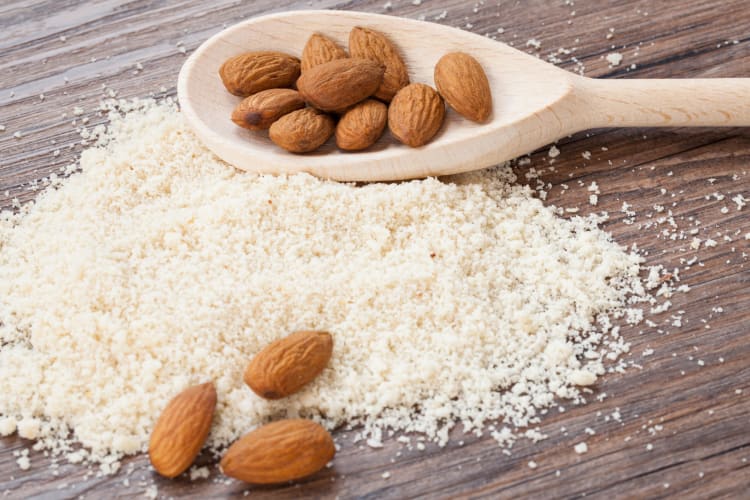
Almond flour is made from blanched almonds and offers a rich source of protein, healthy fats, and micronutrients like vitamin E and magnesium.
- Flavor & Texture: Buttery, nutty flavor with a moist, tender texture.
- Fat Content: Naturally high in fat, almond flour keeps baked goods soft and enhances mouthfeel.
- Best Uses: Perfect for gluten-free baked goods, cookies, cakes, pastries, and keto or paleo recipes.
Nutritional Comparison (per 100g)
| Flour | Protein | Fat | Carbohydrates | Fiber |
| Oat Flour | ~13g | ~6g | ~70g | ~10g |
| Almond Flour | ~26g | ~50g | ~16g | ~9g |
Oat flour offers high fiber and complex carbohydrates, while almond flour delivers a protein- and fat-rich profile for energy-dense formulations.
Functional & Formulation Insights
- Oat flour is excellent for structure and moisture retention but may require a binding agent such as eggs or xanthan gum to reduce crumbling.
- Almond flour provides richness and tenderness but has a shorter shelf life due to its natural oils. It should be stored in a cool, dry place to maintain freshness.
Labeling & Allergen Considerations
- Oat flour must be labeled as “gluten-free” only if it meets certified standards to protect sensitive consumers.
- Almond flour is derived from tree nuts and must be labeled accordingly to meet allergen disclosure requirements and ensure consumer safety.
Why Choose Harris Woolf Almonds?
At Harris Woolf Almonds, we offer high-quality almond flour solutions for food manufacturers and commercial kitchens. Our flour is available in customizable formats, including Natural and Blanched Fine options, to meet the needs of various recipes and product lines. Whether you’re developing gluten-free snacks, baked goods, or clean-label alternatives, we provide reliable quality and expert support to help you succeed.